
Varieties
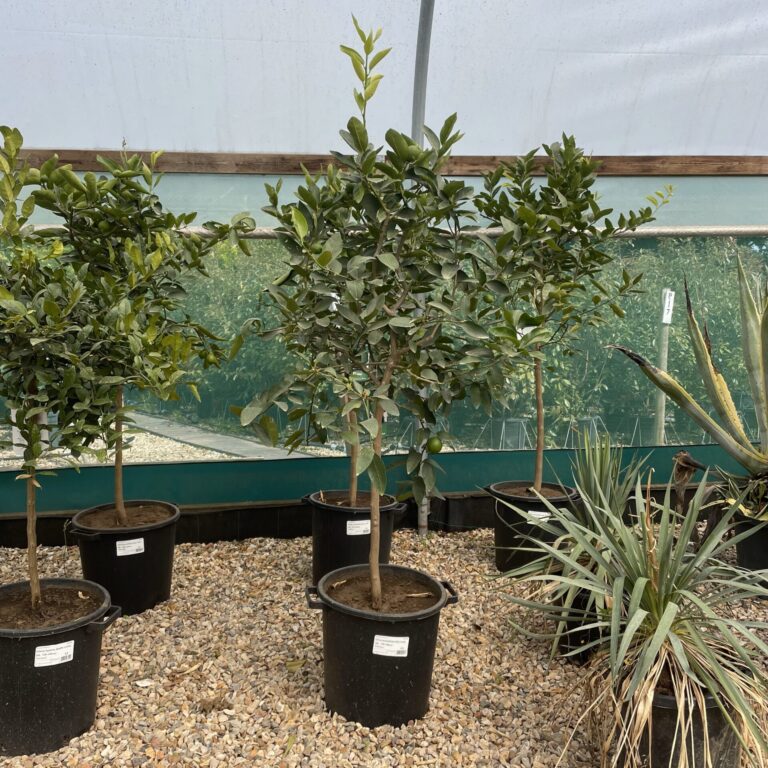
Enquire about these trees for prices and availability.Citrus trees
- Citrus aurantiifolia (Key Lime)Enquire
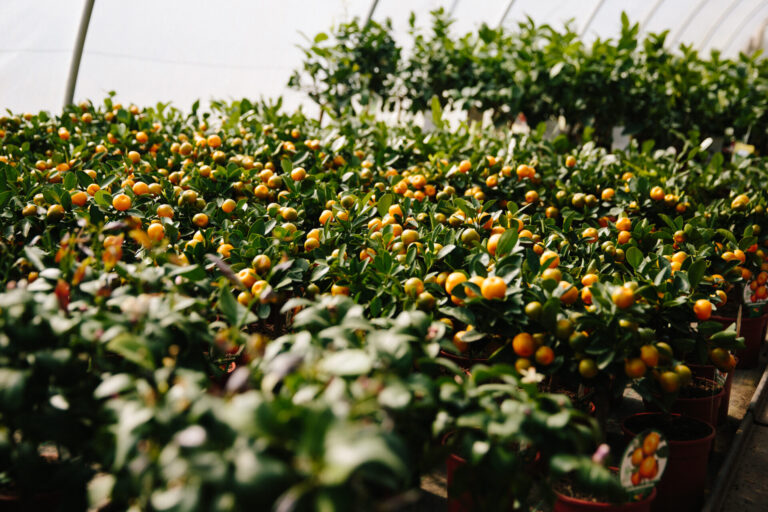
- Citrus japonica ‘Nagami’ (Kumquat)Enquire
- Citrus hystrix (Kaffir Lime)Enquire
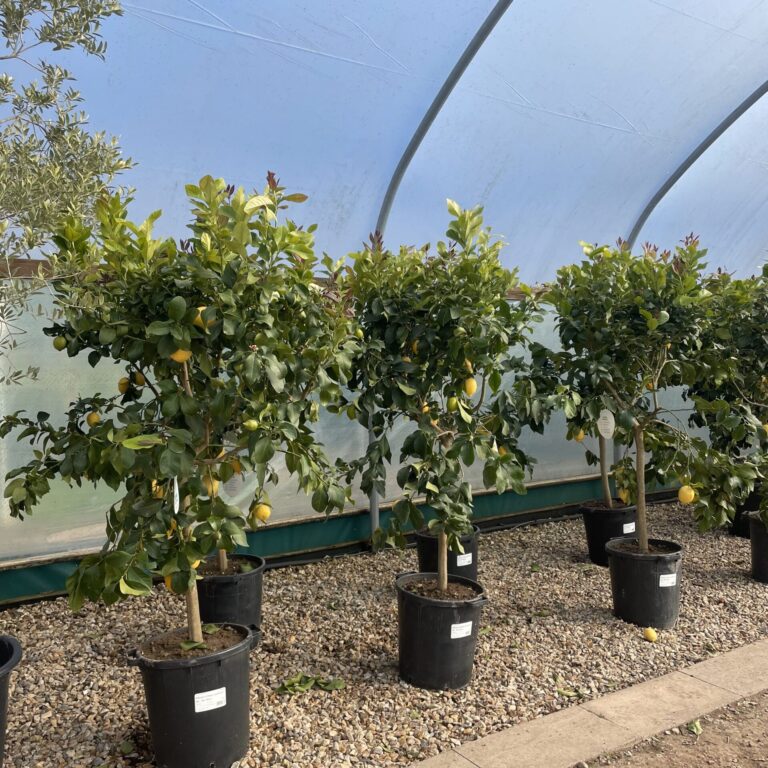
- Citrus x limon (Lemon Tree)Enquire
- Citrus reticulata (Mandarin)Enquire
Other varieties can be sourced. Send us your requirements.
From the nursery
More about citrus trees
Read more
If there’s a particular variety you’re after that isn’t listed, we’re happy to source it for you.
Some of our most popular citrus trees:
-
Citrus aurantiifolia (Key Lime) – compact form with small, fragrant fruits
-
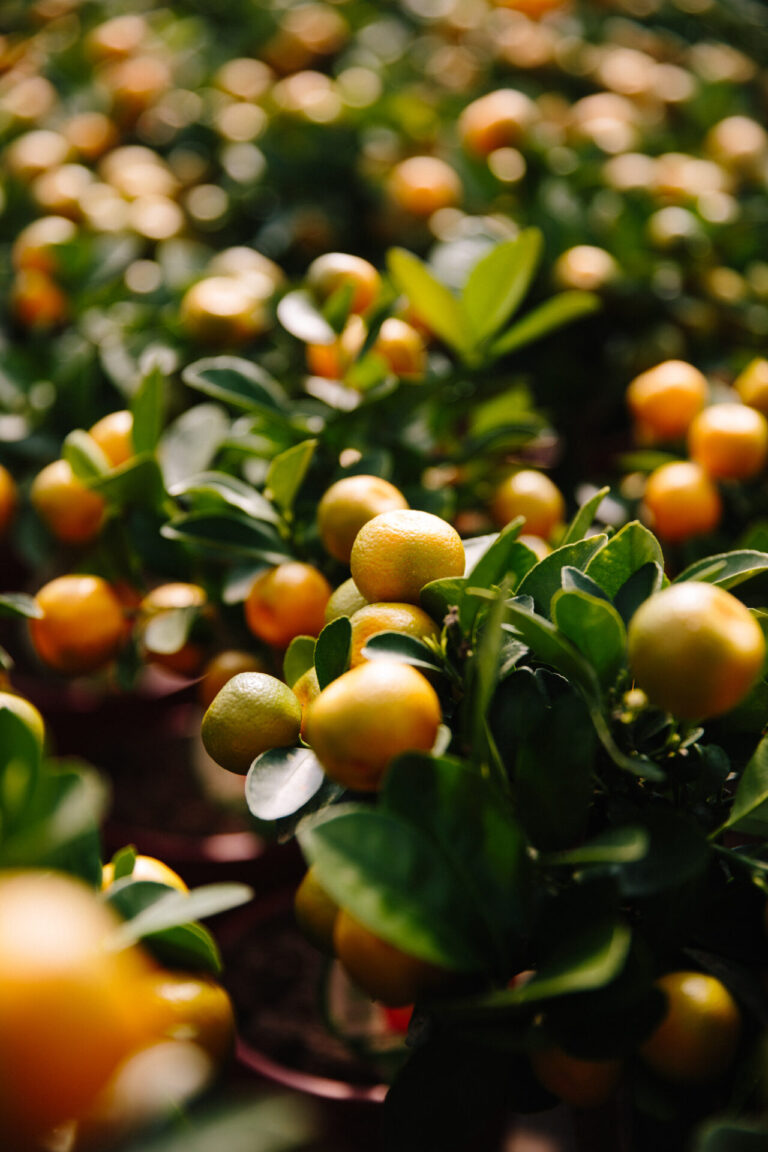
Citrus japonica ‘Nagami’ (Kumquat) – decorative and edible, with glossy leaves and oval fruits
-
Citrus hystrix (Kaffir Lime) – aromatic foliage and distinctive bumpy-skinned fruit
-
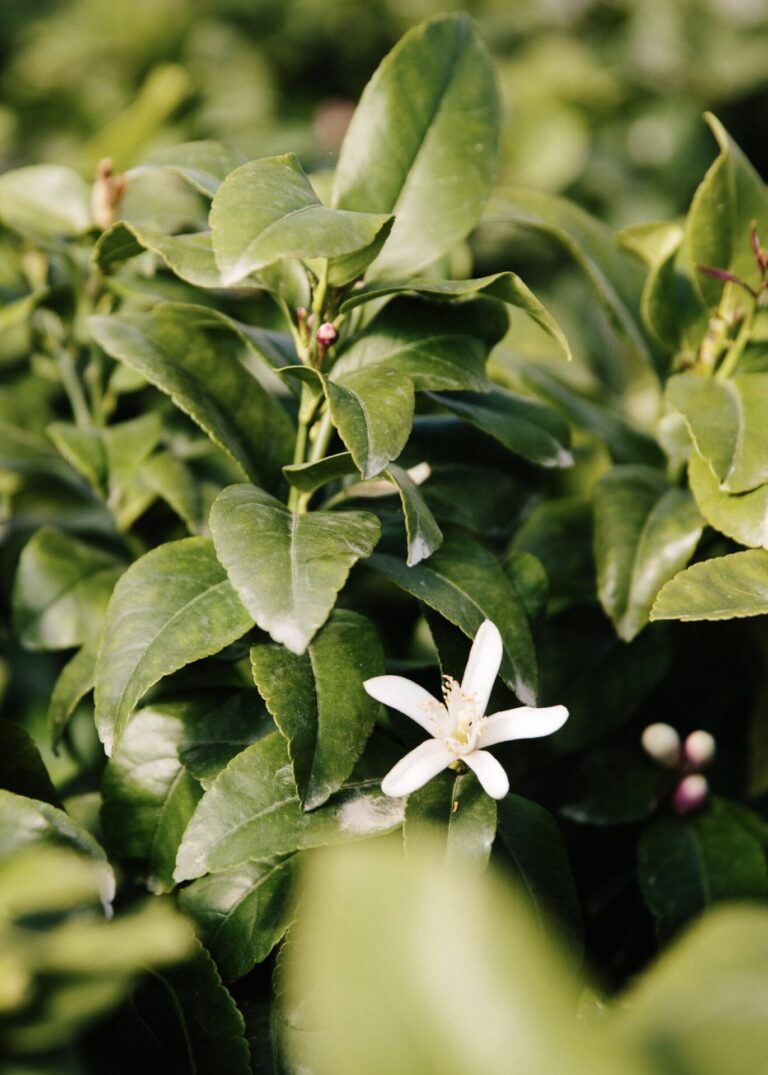
Citrus x limon (Lemon Tree) – evergreen with scented blossom and regular fruiting
-
Citrus reticulata (Mandarin) – small, sweet fruit and lush green foliage
To explore our full citrus range or get advice on the best varieties for your space, feel free to get in touch or arrange a visit to our nursery.
Key Features of Citrus Trees
Aesthetic Appeal: Citrus trees bring a lively and welcoming presence to your garden or landscape. Their glossy leaves and vibrant fruits introduce a sense of freshness and tropical allure.
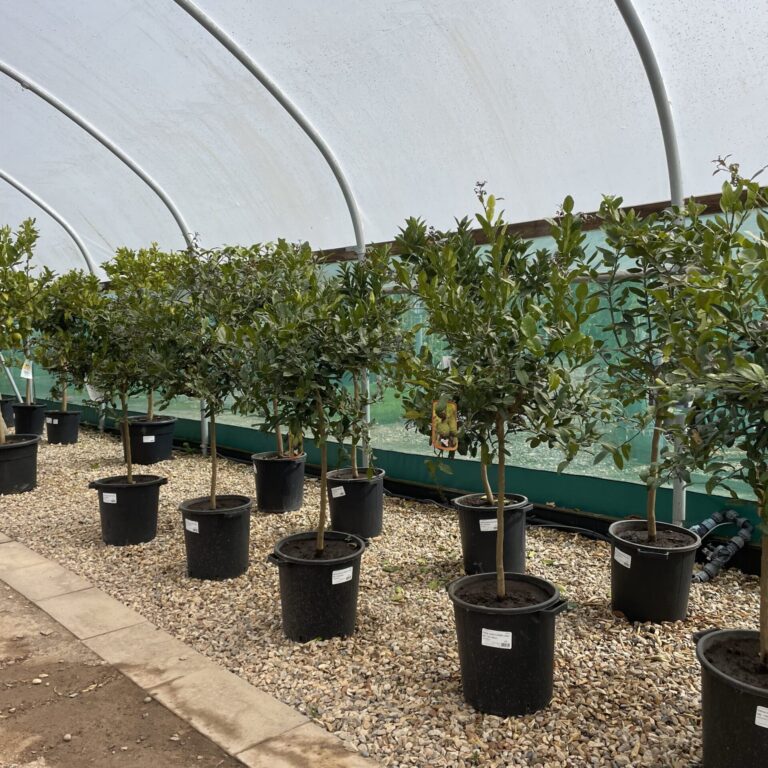
Space-Saving Design: Recognized for their compact and space-efficient growth, citrus trees adapt well to both small gardens and larger landscapes. Whether in pots or planted in the ground, they suit various garden layouts.
Evergreen Privacy: While not the most densely foliated, citrus trees provide year-round greenery, granting a degree of privacy to your outdoor space. Their evergreen nature ensures that your garden remains visually appealing throughout the year.
Versatility in Landscaping: Citrus trees demonstrate versatility and adaptability, making them suitable for a wide array of landscape designs. They seamlessly complement both formal and informal garden settings, infusing a touch of Mediterranean elegance.
Seasonal Interest: Seasonal delights abound with citrus trees, featuring fragrant blossoms in spring and ripe, juicy fruits in both summer and winter. Their evergreen foliage guarantees visual appeal regardless of the season.
Pollinator Attraction: Citrus trees attract pollinators like bees and butterflies with their fragrant flowers, playing a vital role in supporting local ecosystems by providing sustenance for these beneficial insects.
Low Maintenance Requirements: Once established, citrus trees boast relatively low maintenance needs. Regular watering, occasional fertilization, and selective pruning for shape and growth control are the primary tasks for their care.
Diverse Citrus Selection: A wide variety of citrus species awaits your selection, each boasting unique flavours and characteristics. Popular choices encompass oranges, lemons, limes, grapefruits, and tangerines, allowing you to create a diverse and edible landscape.
Expert Guidance and Training: Our nursery offers expert advice on selecting the most suitable citrus tree species for your location. We also provide guidance on proper care and maintenance, along with custom training services to help shape your citrus trees to suit your specific garden requirements.
Eco-Friendly Gardening: Citrus trees contribute to eco-friendly gardening practices by enhancing green spaces, improving air quality, and supporting local biodiversity. Additionally, the joy of harvesting your own citrus fruits adds an environmentally conscious and delightful dimension to your garden.
Questions
Can citrus trees live outside in the UK?
Citrus trees enjoy a sunny, sheltered spot outside in summer, but most need to be kept frost-free in winter, ideally somewhere bright and cool such as a conservatory or greenhouse.
How often should I water a citrus tree?
Water thoroughly when the top of the compost feels dry, then let it drain. Water less in winter and don't let the pot stand in water.
Why are my citrus leaves turning yellow?
Usually a lack of feed, overwatering or cold. Feed regularly with a citrus feed and check the drainage.
Do citrus trees need feeding?
Yes. Use a summer citrus feed from spring to autumn and a winter citrus feed through the colder months.
What compost do citrus trees need?
A free-draining compost, ideally a citrus compost or loam-based compost with added grit.
Which citrus tree is easiest to grow?
Lemon and Kumquat are among the easiest. Lemons can flower and fruit at the same time through much of the year.
Can you eat the fruit?
Yes, and Kaffir Lime leaves are used in cooking too.
Enquire about these trees
Tell us the variety, quantity and delivery postcode, and we'll come back with prices and availability.