
Varieties
Enquire about these plants for prices and availability.Topiary plants
- Taxus baccata (English Yew)Enquire
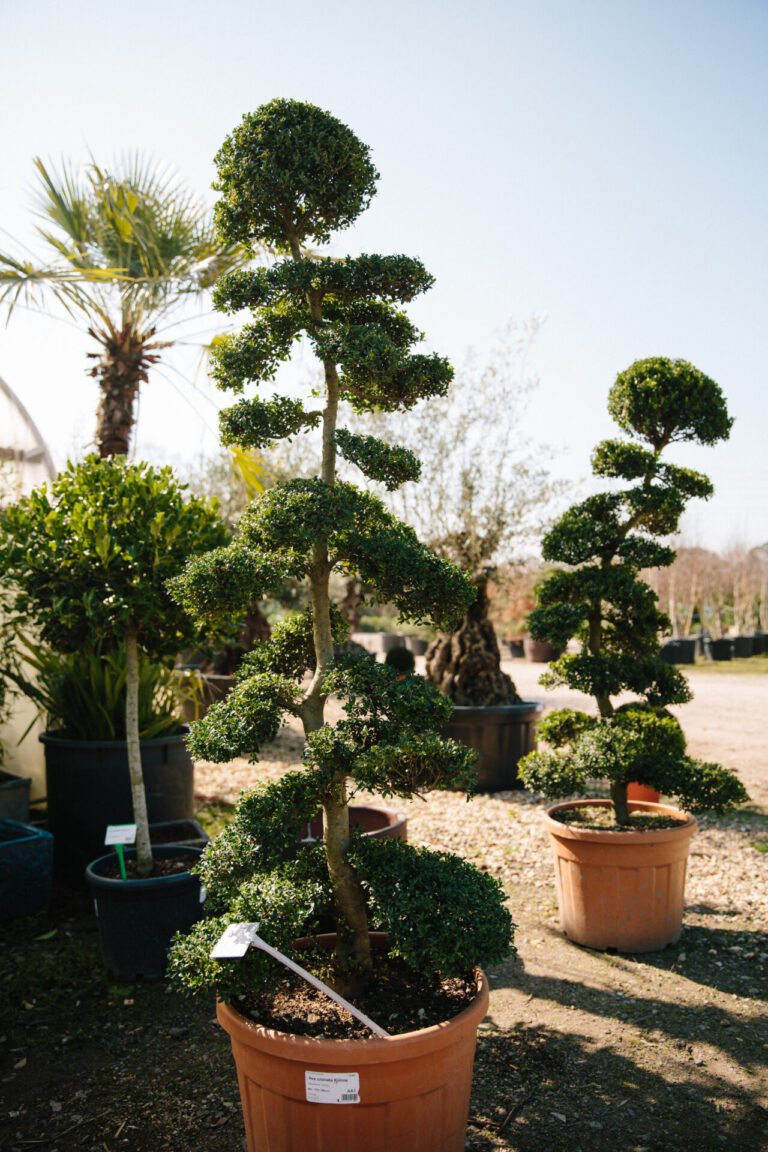
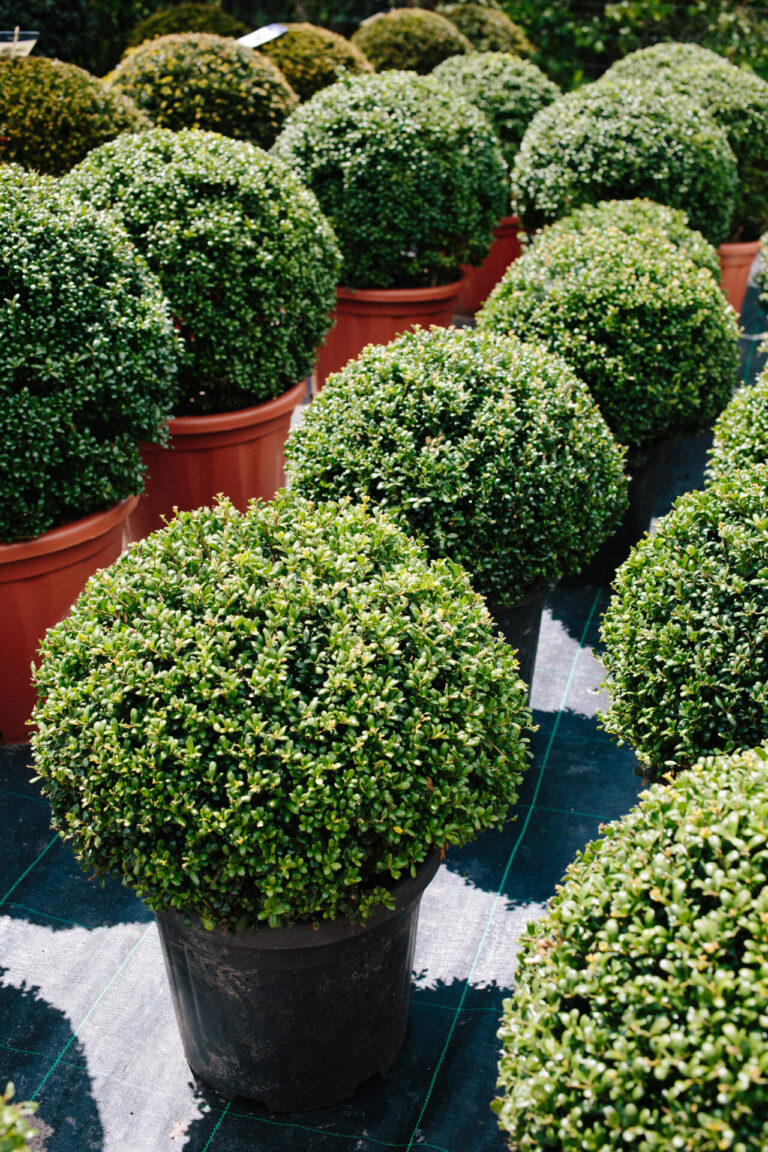
- Ilex crenata (Japanese Holly)Enquire
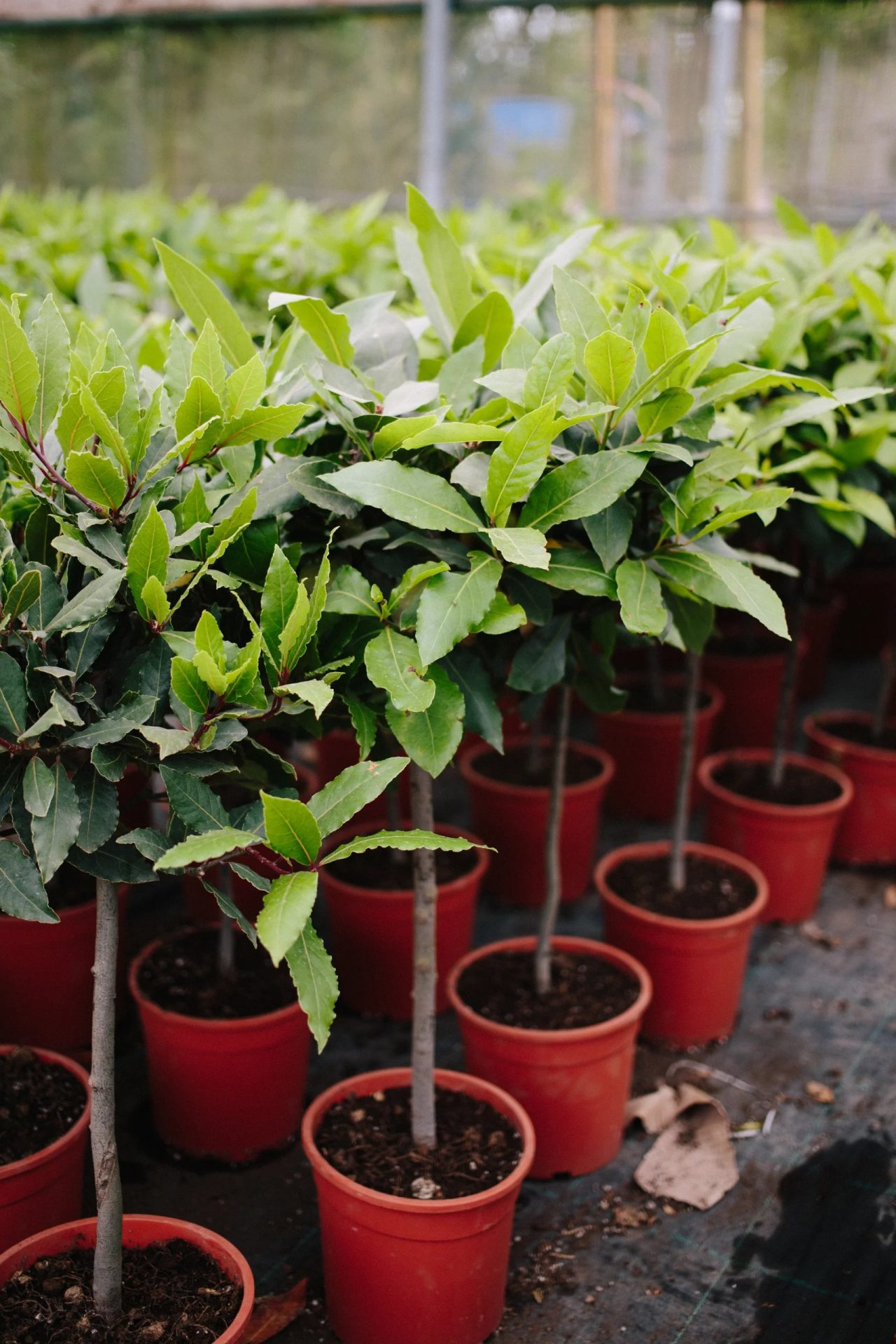
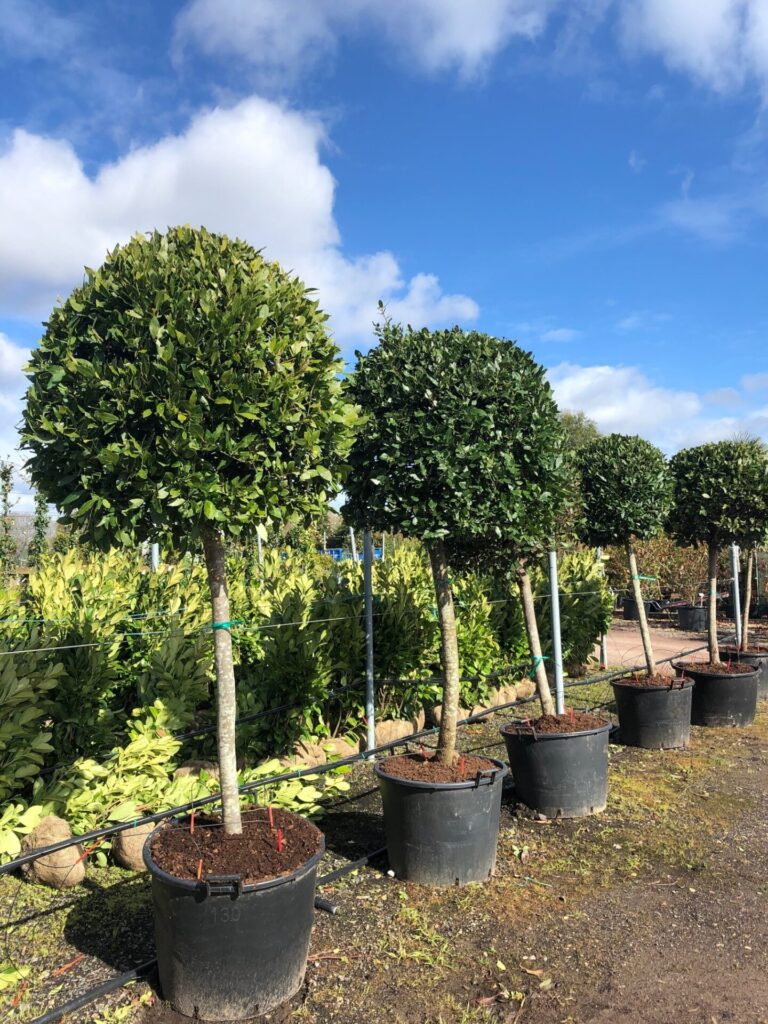
- Laurus nobilis (Bay Laurel)Enquire
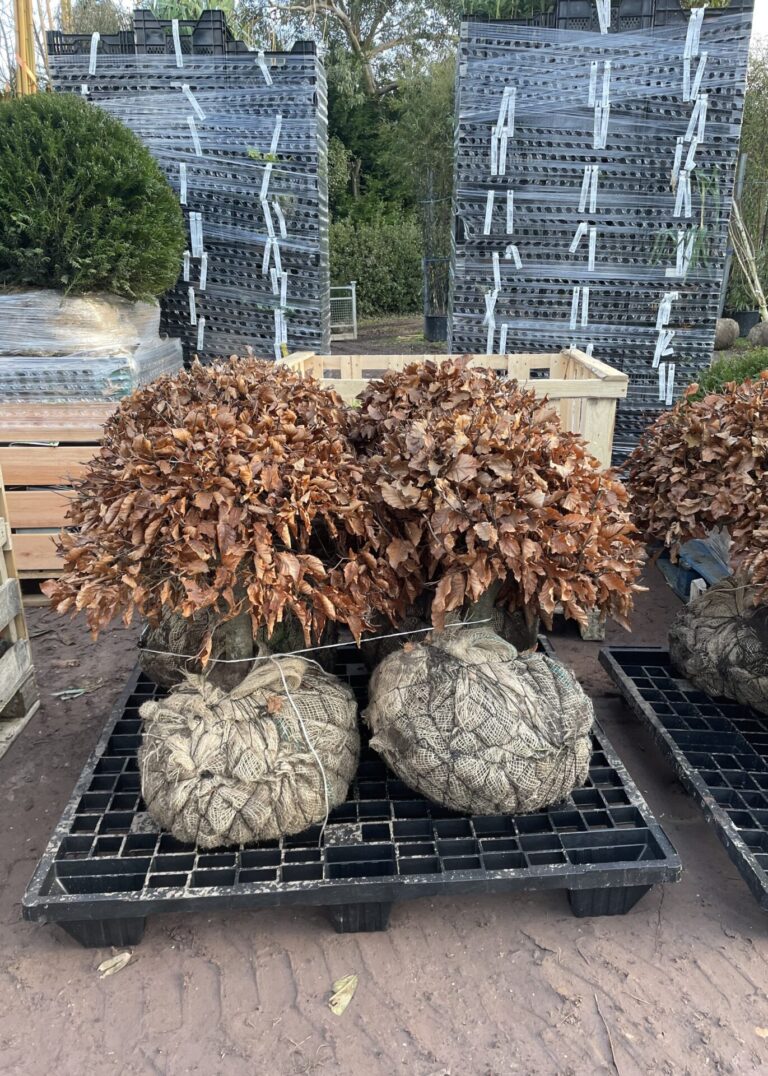
- Carpinus betulus (Hornbeam)Enquire
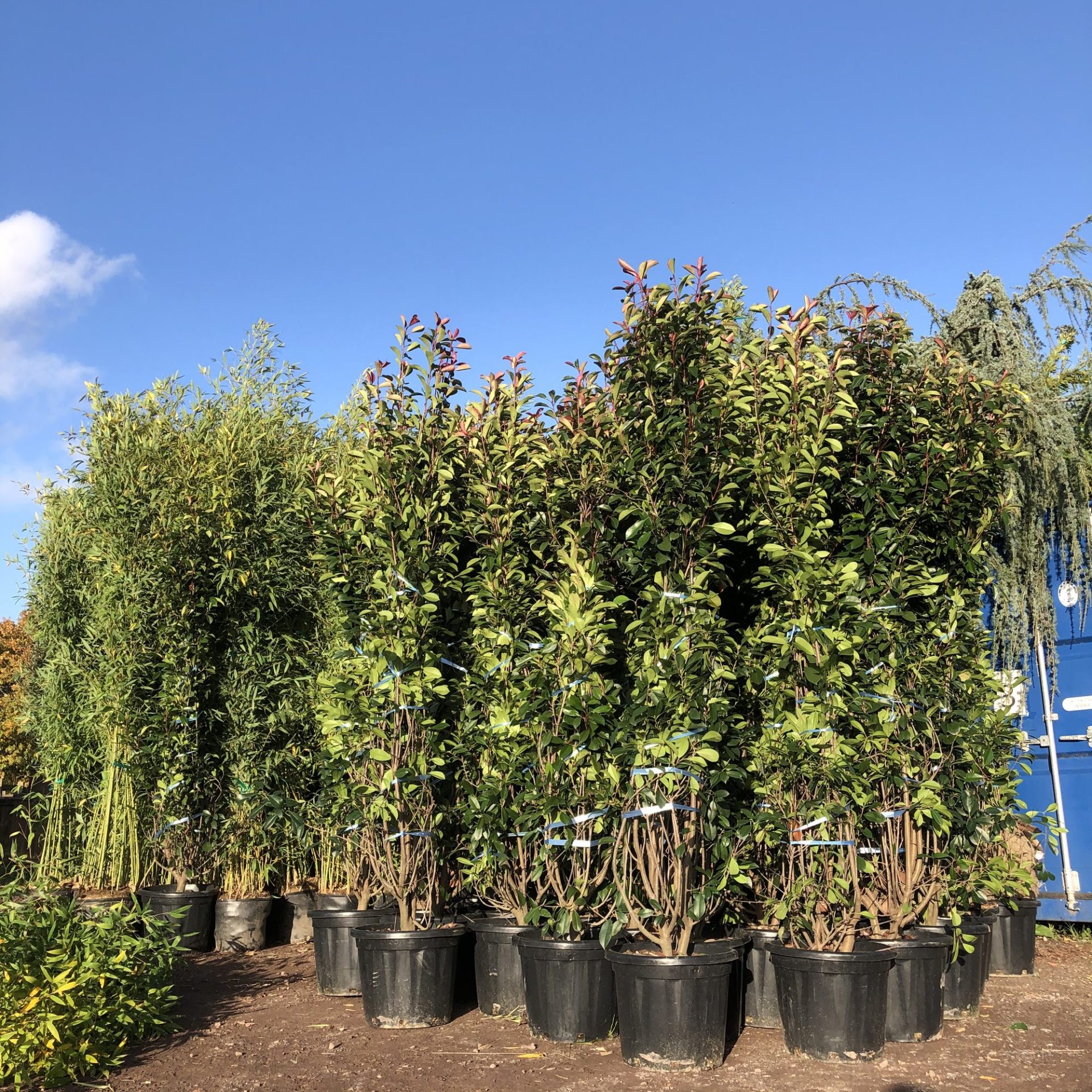
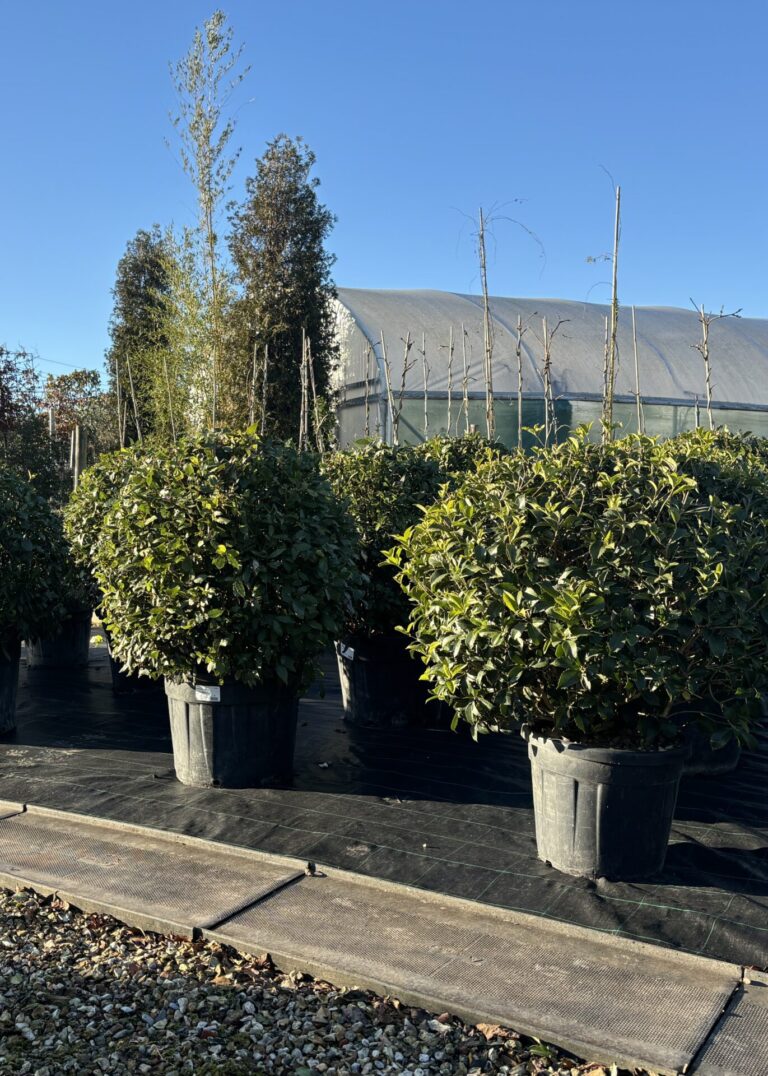
- Photinia x fraseri ‘Red Robin’Enquire
Other varieties can be sourced. Send us your requirements.
From the nursery
More about topiary
Read more
If there's a particular shape or species you're after that isn’t listed, we’re happy to source it for you.
Some of our most popular topiary plants:
-
Taxus baccata (English Yew) – classic choice for balls, pyramids and spirals
-
Ilex crenata (Japanese Holly) – evergreen alternative to box with fine-textured foliage
-
Laurus nobilis (Bay Laurel) – aromatic foliage and strong form, ideal as a lollipop standard
-
Carpinus betulus (Hornbeam) – hardy and dense, well-suited to structured pruning
-
Photinia x fraseri ‘Red Robin’ – vibrant red growth adds seasonal colour to shaped forms
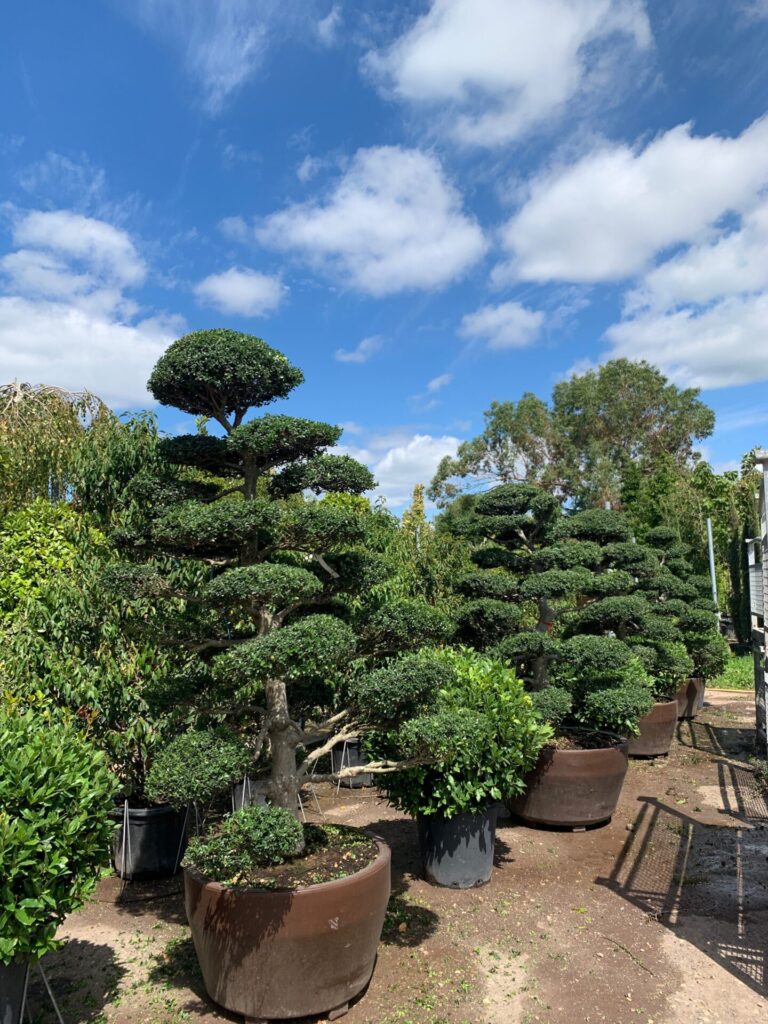
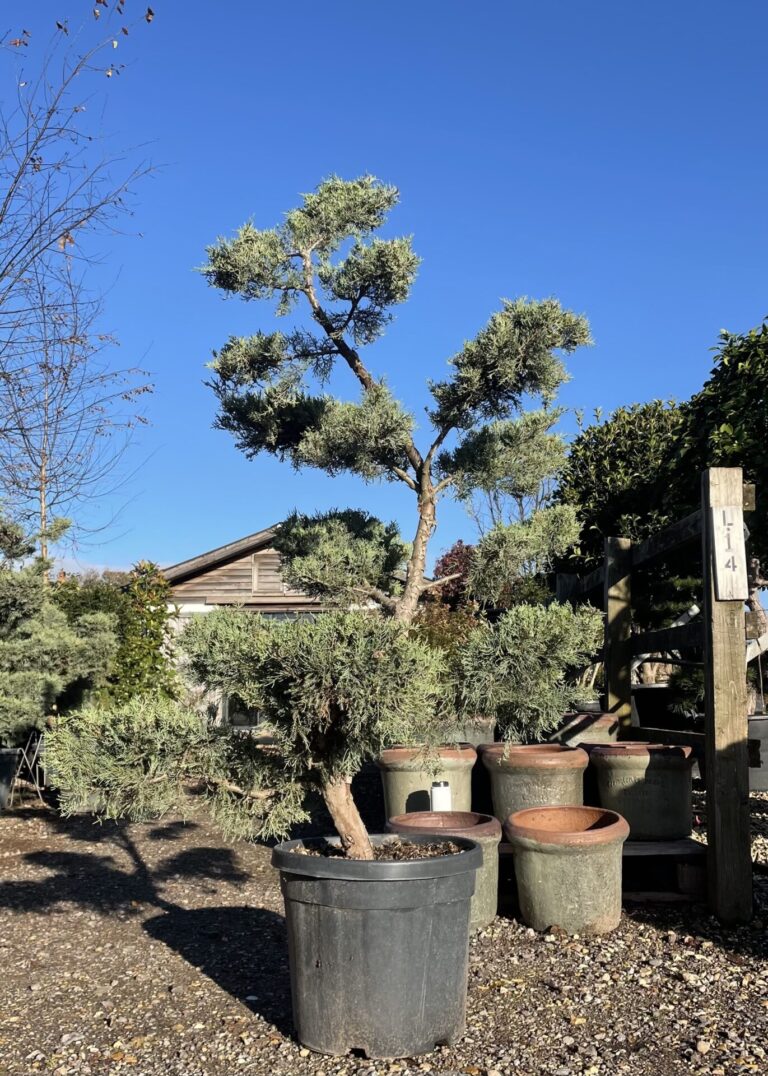
We also offer specimen cloud-pruned topiary for those looking to create standout features or signature planting within their landscape design.
To learn more or to arrange a nursery visit, please don’t hesitate to get in touch with our team.
Key Features of Topiary Plants
Artistic Green Sculptures: Topiary transforms your garden into a canvas of artistic green sculptures, adding a touch of creativity and structured elegance to outdoor spaces.
Precision in Form and Shape: These living works of art showcase precision in form and shape, with carefully trimmed foliage creating geometric patterns and intricate designs that captivate the eye.
Adaptability to Different Styles: Topiary plants exhibit adaptability to different gardening styles, seamlessly blending into formal, contemporary, or whimsical landscapes. Their versatile nature allows them to become focal points or charming additions to various garden designs.
Year-Round Aesthetic Appeal: Enjoy the year-round aesthetic appeal of topiary as they maintain their sculpted beauty in every season. From the crisp outlines in winter to the lush green shapes in spring and summer, topiaries provide a visual spectacle throughout the year.
Architectural Focal Points: The architectural nature of topiaries transforms them into striking focal points within your garden. Their sculptural elegance adds structure and sophistication, elevating the overall design of your outdoor space.
Low Maintenance Artistry: Topiaries embody low-maintenance artistry, requiring periodic trimming to maintain their intricate shapes. With minimal effort, you can enjoy the ongoing beauty of these green sculptures, making them a practical and visually stunning addition to your garden.
Garden Artistry and Whimsy: Incorporating topiaries into your garden design allows for a playful infusion of garden artistry and whimsy. These sculpted plants bring a sense of fun and creativity, turning your outdoor space into a living, breathing art gallery.
Expert Guidance and Pruning: Our nursery offers expert guidance on selecting the right topiary plants and provides insights into proper pruning techniques. The art of shaping and maintaining topiaries is a skill we share to ensure your green sculptures thrive and continue to impress.
Biodiversity in Style: Topiaries contribute to biodiversity by providing unique habitats and shelter for various creatures. Beyond their aesthetic appeal, they play a role in supporting local ecosystems, enhancing the ecological balance of your garden.
Indoor Green Art: Explore the versatility of topiaries by bringing them indoors. These green sculptures can be potted and shaped to fit indoor spaces, adding a touch of horticultural artistry to your home's interior design.
Questions
What are the best plants for topiary?
Yew gives the finest finish and lives for centuries. Ilex crenata, Bay, Hornbeam and Photinia are also popular.
What is the best alternative to box?
Ilex crenata has small leaves like box but isn't affected by box blight or box tree caterpillar. Yew is another good choice.
When should topiary be trimmed?
Most topiary is trimmed once or twice a year, in early summer and late summer. Yew is usually trimmed in late summer. Avoid trimming in frost or very hot weather.
Can topiary be grown in pots?
Yes. Use a loam-based compost, water regularly as pots dry out quickly, and feed through spring and summer.
Is topiary hardy in winter?
Yew, Ilex and Hornbeam are fully hardy. Bay can be scorched by cold winds, so give potted bay some shelter and raise pots on feet.
Why is my topiary turning brown?
The most common causes are drying out in summer, waterlogging in winter and cold wind. Check the drainage, especially in pots.
How do I keep topiary in shape?
Trim little and often with sharp shears, following the existing shape. Water and feed regularly so it stays dense and green.
Enquire about these plants
Tell us the variety, quantity and delivery postcode, and we'll come back with prices and availability.