
Varieties
Enquire about these trees for prices and availability.Deciduous multi-stem trees
- Betula utilis var. jacquemontii (Himalayan Birch)Enquire
- Betula nigra (River Birch)Enquire
- Malus ‘Evereste’ (Crab Apple)Enquire
- Prunus serrula (Tibetan Cherry)Enquire
- Amelanchier lamarckii (Juneberry)Enquire
Evergreen multi-stem trees
- Osmanthus aquifoliumEnquire
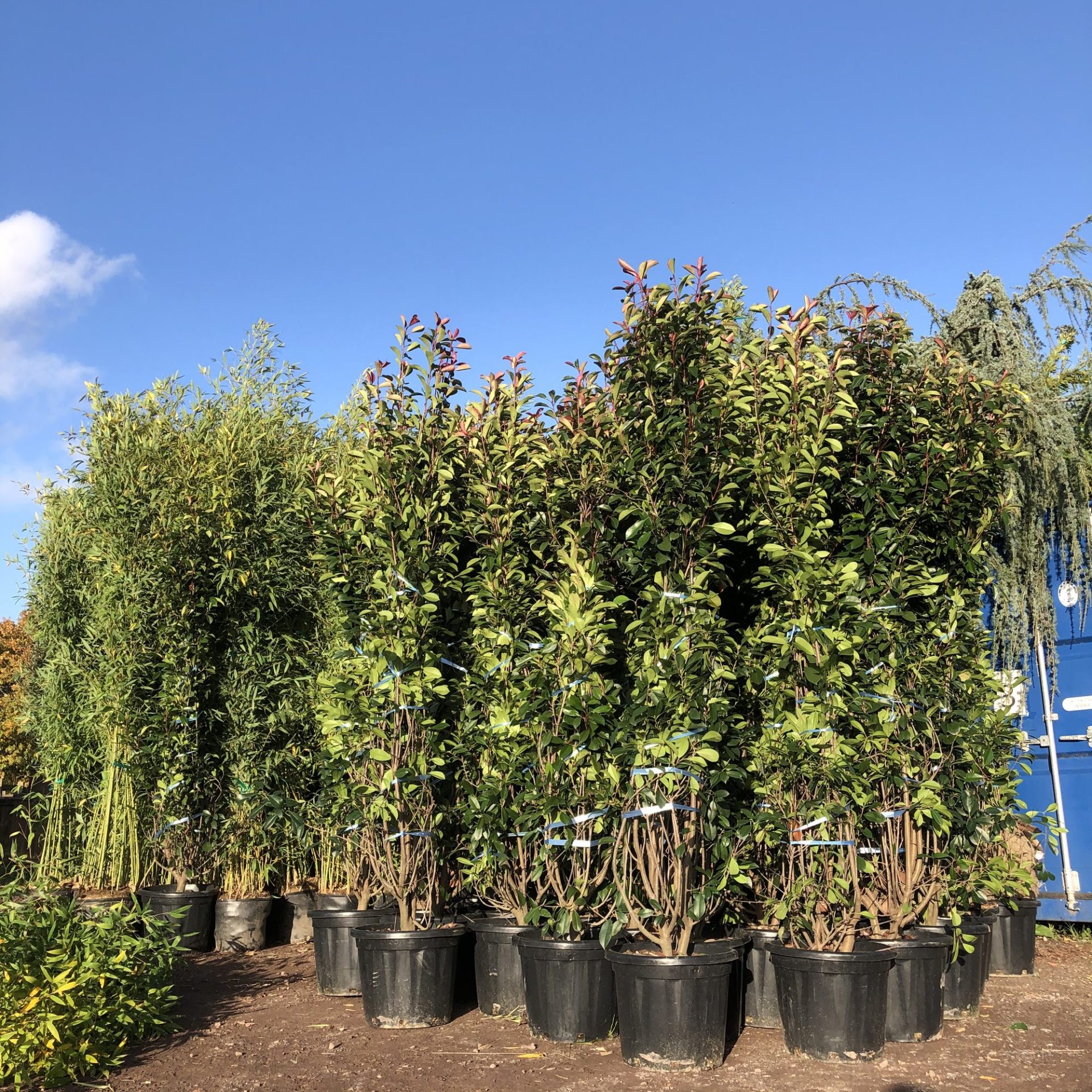
- Photinia x fraseri ‘Red Robin’Enquire
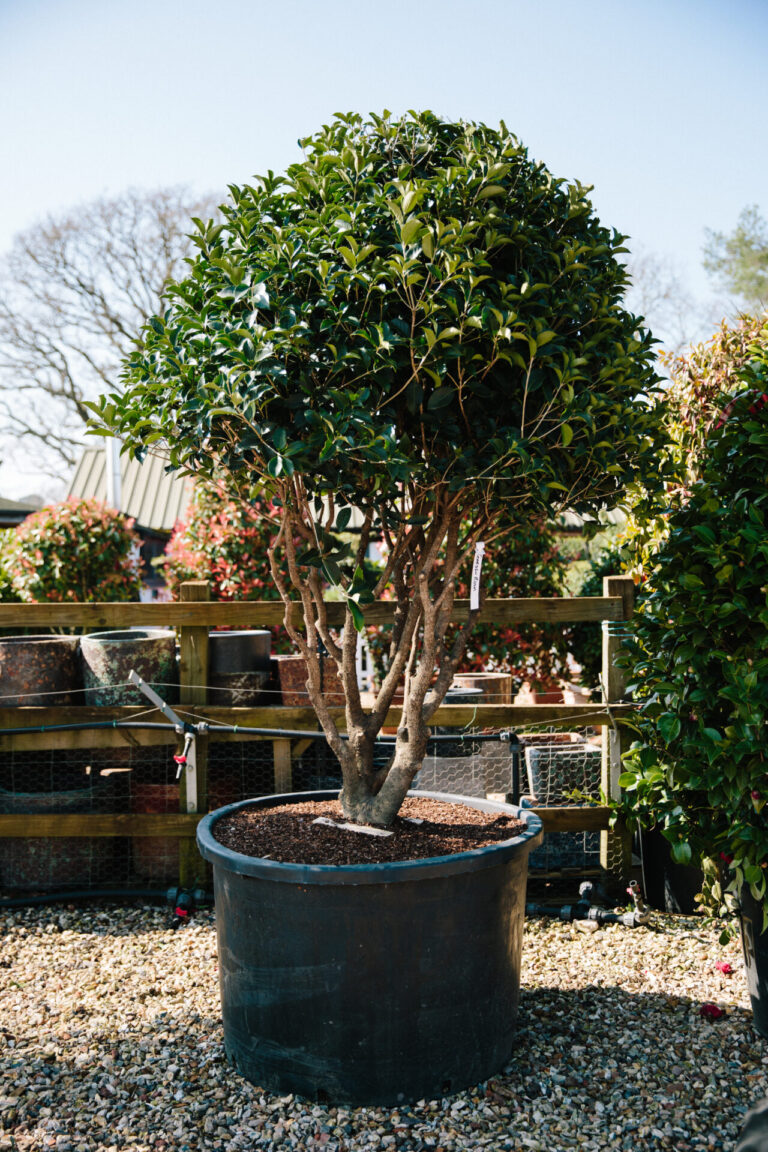
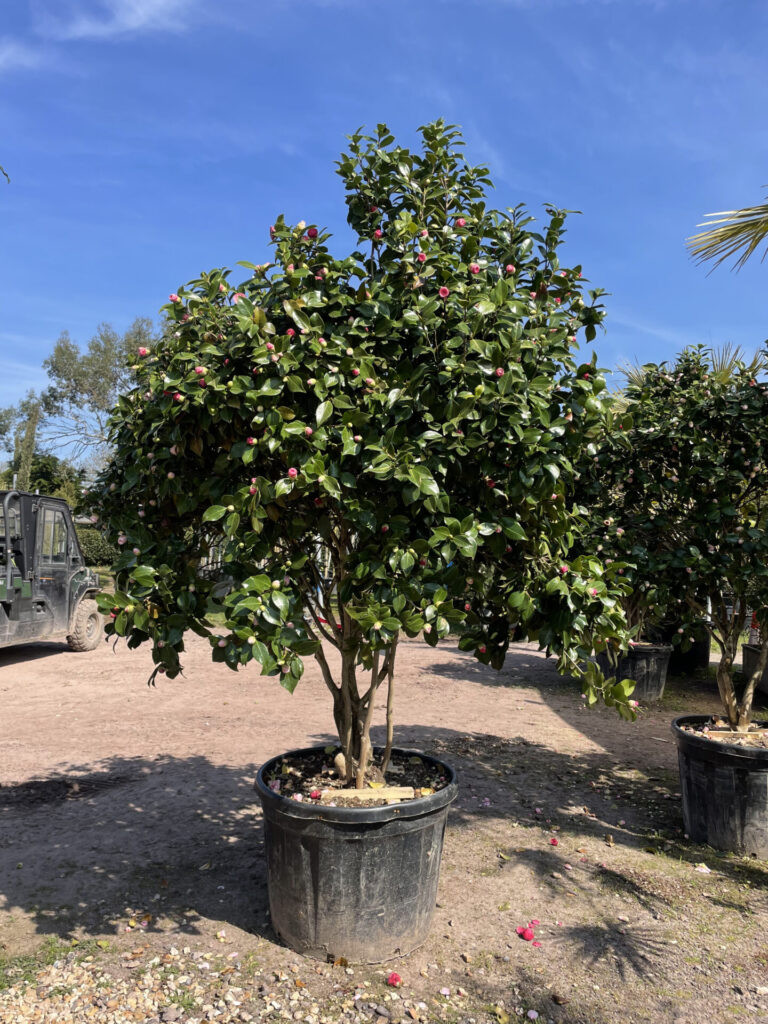
- Camellia japonicaEnquire
- Elaeagnus x ebbingeiEnquire
- Prunus lusitanica (Portuguese Laurel)Enquire
Other varieties can be sourced. Send us your requirements.
From the nursery
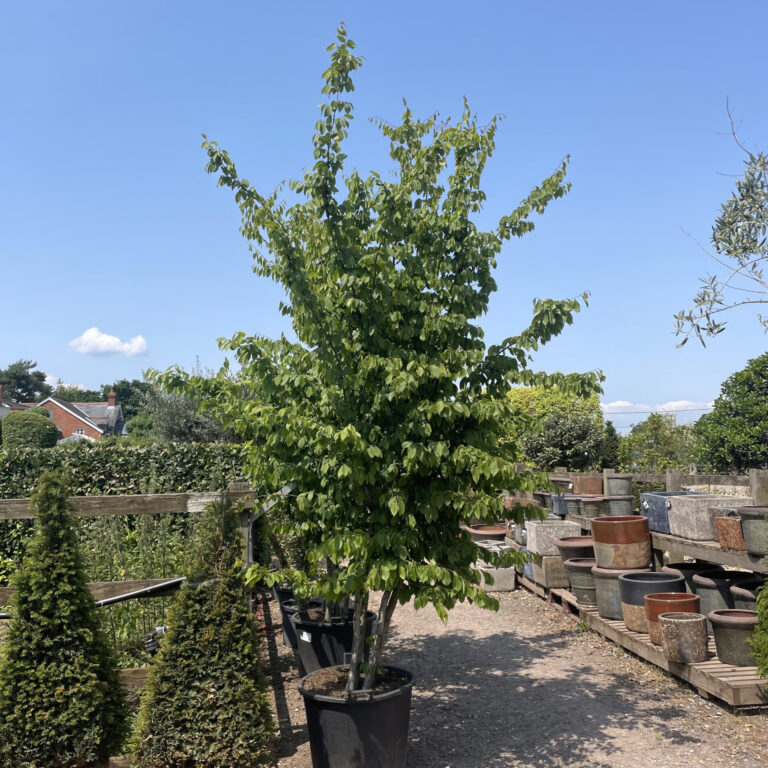
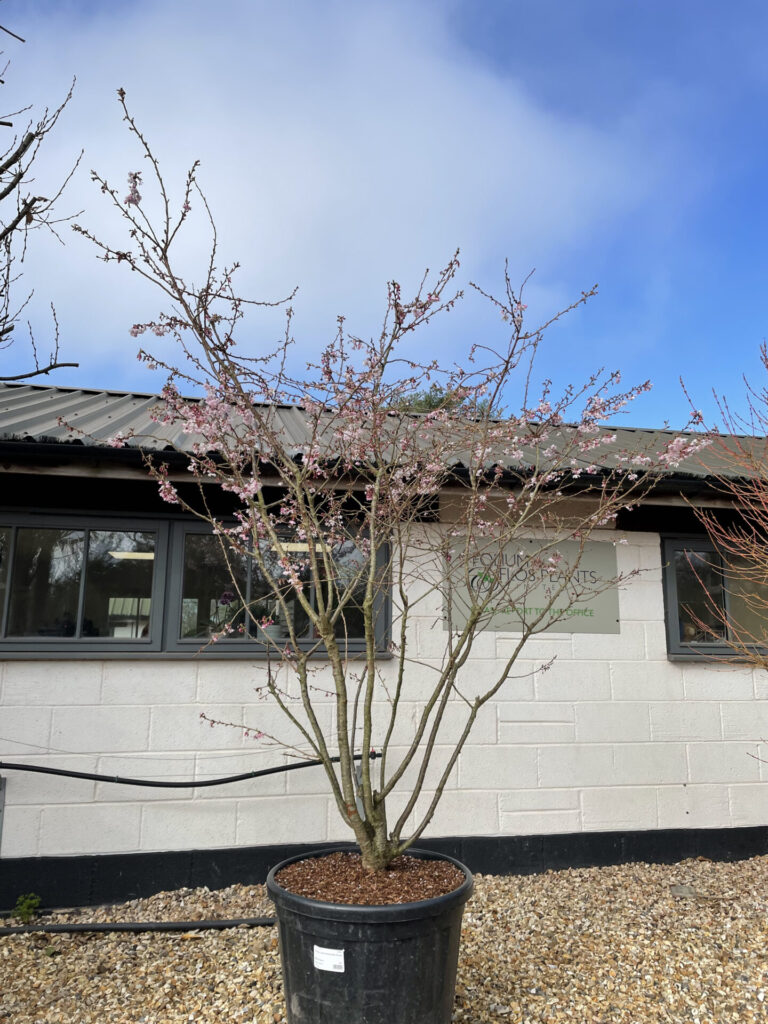
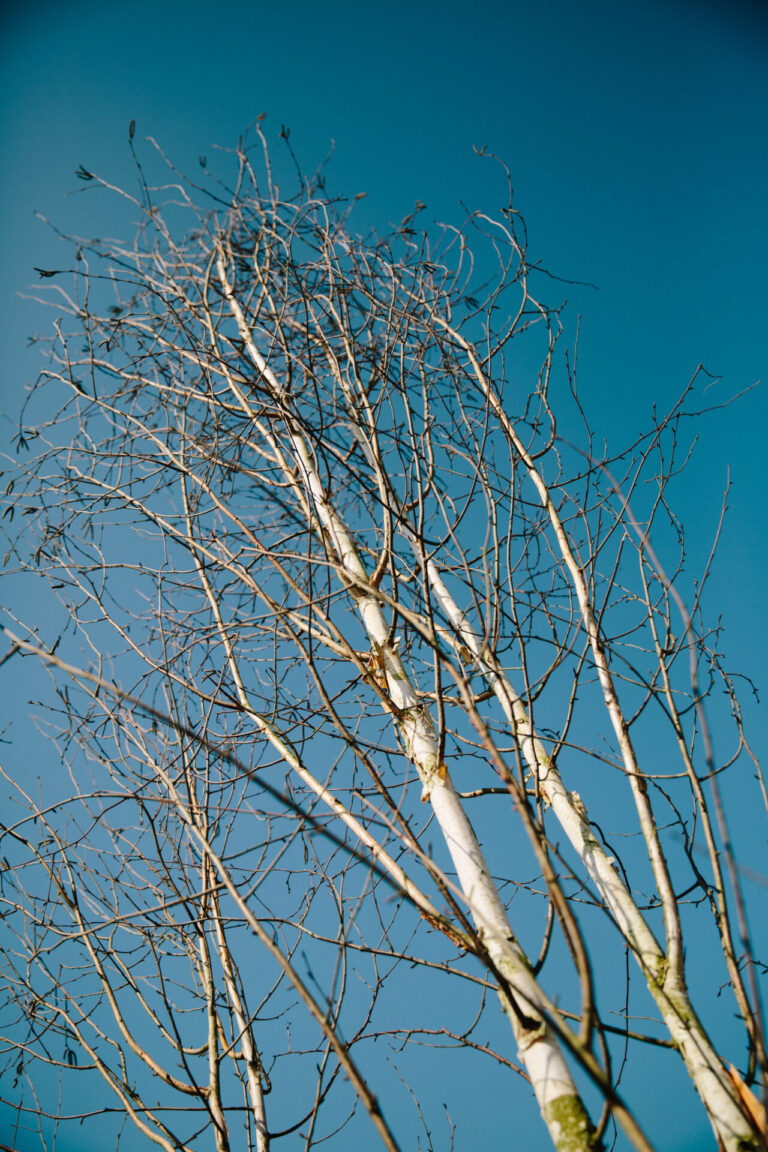
More about multi-stem trees
Read more
Whether you’re designing a modern outdoor space, softening the edges of a formal garden, or creating a focal point with year-round appeal, our range of multi-stem trees offers options to suit a wide variety of styles and settings.
Some of our most popular deciduous multi-stem trees:
- Betula utilis var. jacquemontii (Himalayan Birch) – striking white bark and a light, airy canopy
- Betula nigra (River Birch) – peeling copper-brown bark; excellent for damp or clay soils
- Malus ‘Evereste’ (Crab Apple) – masses of spring blossom with wildlife-friendly fruit
- Prunus serrula (Tibetan Cherry) – lustrous mahogany bark and elegant form
- Amelanchier lamarckii (Juneberry) – soft white blossom, edible berries and rich autumn colour
Some of our most popular evergreen multi-stem trees:
- Osmanthus aquifolium – holly-like evergreen foliage with fragrant late-summer flowers
- Photinia x fraseri ‘Red Robin’ – vivid red new growth and glossy evergreen leaves
- Camellia japonica – glossy evergreen leaves with early spring blooms
- Elaeagnus x ebbingei – silvery-green foliage and scented autumn flowers
- Prunus lusitanica (Portuguese Laurel) – dense, dark green structure ideal for screening
If a particular variety you’re looking for isn’t listed, we’re happy to source it for you. To discuss your project or arrange a nursery visit, feel free to get in touch with our team.
Questions
What is a multi-stem tree?
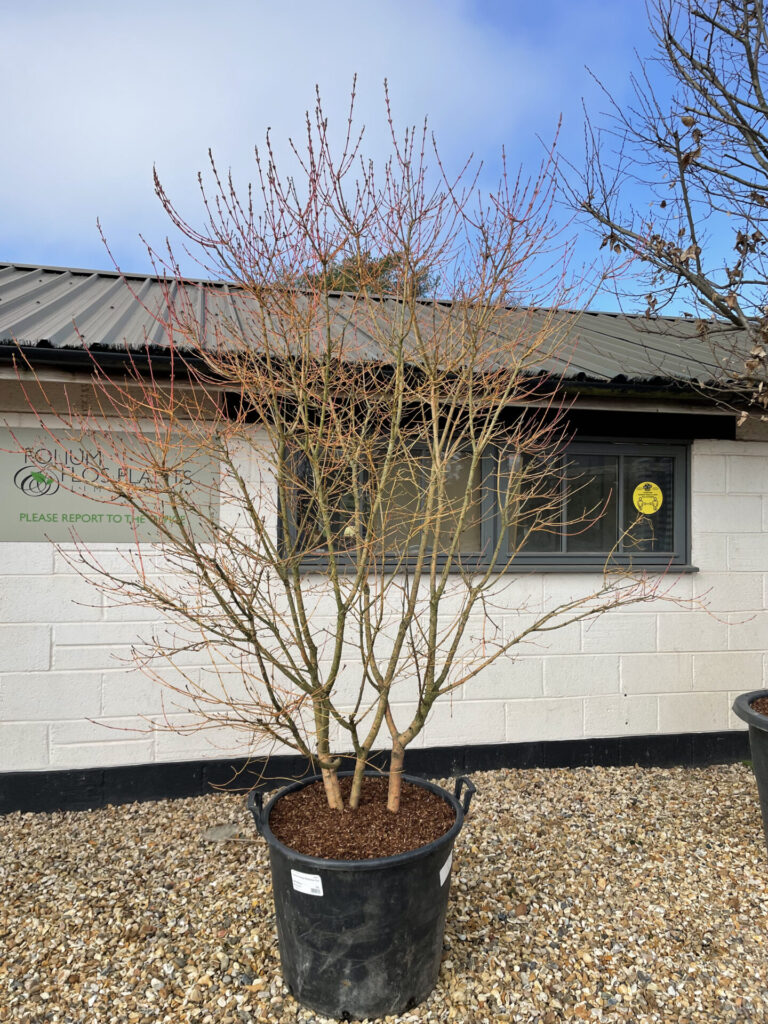
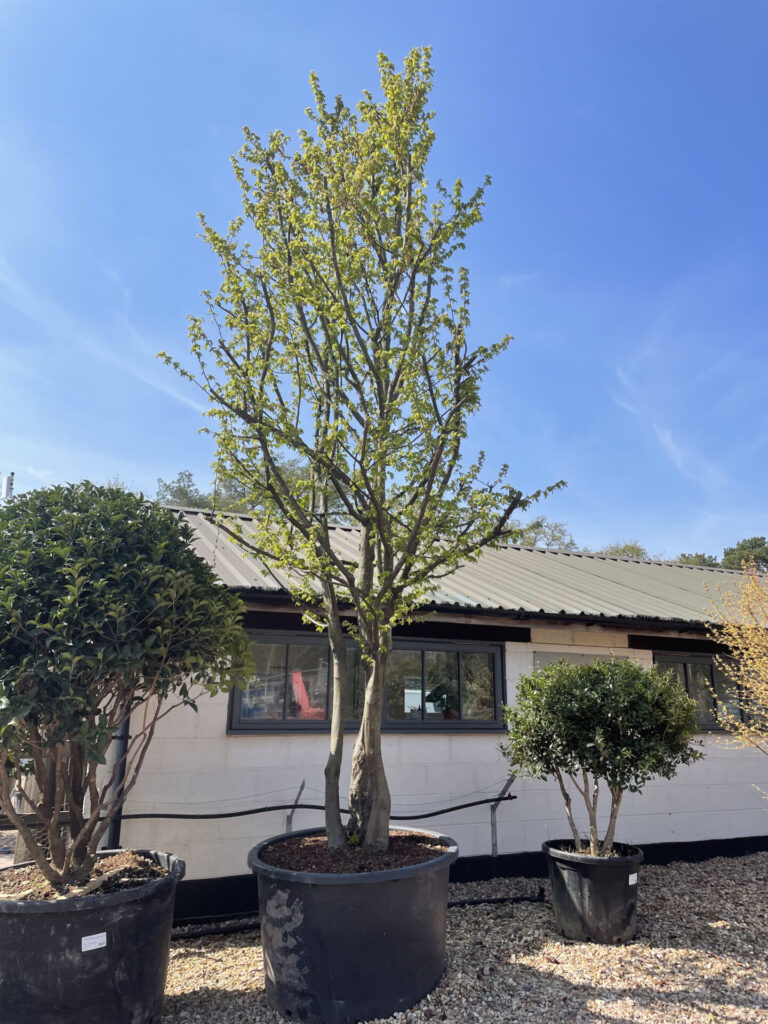
A multi-stem tree has several stems rising from or near the base instead of a single trunk. It gives a wider, more sculptural shape, which is why garden designers use them as focal points.
Which multi-stem trees suit small gardens?
Amelanchier, Tibetan Cherry and Malus 'Evereste' stay compact. Birch has a light, airy canopy that casts little shade.
Which multi-stem trees are evergreen?
Photinia 'Red Robin', Elaeagnus × ebbingei, Portuguese Laurel, Osmanthus and Camellia all keep their leaves through winter.
Which multi-stem trees have the best bark?
Himalayan Birch for bright white stems, River Birch for peeling cinnamon bark and Tibetan Cherry for glossy mahogany bark.
Can multi-stem trees be grown in pots?
Smaller trees such as Amelanchier and Camellia do well in large planters. Water regularly, as pots dry out quickly in summer.
When is the best time to plant a multi-stem tree?
Autumn to early spring is ideal. Container-grown trees can be planted at any time of year with regular watering.
How do I look after a multi-stem tree?
Water through the first two summers and mulch around the base. Remove crossing or damaged stems in winter, apart from cherries, which are best pruned in summer.
Can I see the trees before ordering?
Yes. Visit the nursery in Sway, Monday to Saturday, with no appointment needed, and we'll help you choose.
Enquire about these trees
Tell us the variety, quantity and delivery postcode, and we'll come back with prices and availability.