
Ultimate Calamondin Care Guide
How to Care for Calamondin
The calamondin, also known as the Philippine lime, calamansi lime, or acid orange, is a compact evergreen citrus tree that thrives both indoors and outdoors. A natural hybrid between a mandarin and a kumquat, this delightful tree offers fragrant blossoms, attractive fruit, and continuous fruit production. For more details about the product, visit the Calamondin Product Page.
Growing Conditions: Indoor vs. Outdoor
Indoor Calamondin Care
For indoor growth, place your calamondin near your brightest window to ensure it receives ample direct sunlight. Rotate the pot regularly so that all sides receive light. During cooler seasons, keep it in a cool, frost-free space. In dry, heated indoor environments, increase humidity by misting the leaves or placing the pot on a tray filled with pebbles and water. Additional advice can be found on the Royal Horticultural Society website.
Outdoor Calamondin Care
In warmer weather, move your tree outdoors to a sheltered location with plenty of sunlight or partial shade. Even in milder climates, a pot allows you to move the tree indoors when the weather turns cold. This flexibility makes calamondin care ideal for a range of climates. For more gardening tips, check out Gardeners’ World.
Planting and Repotting Your Calamondin
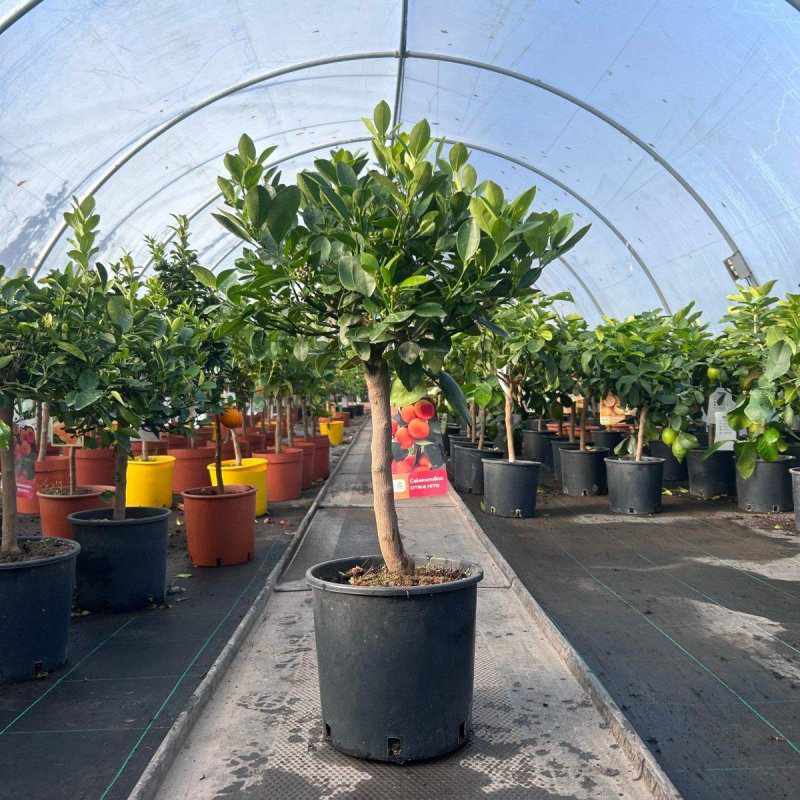
Plant your calamondin in a terracotta pot that has drainage holes to prevent water from accumulating. Use a free-draining, slightly acidic soil mix enriched with organic matter. Adding a layer of small stones or gravel at the bottom of the pot further enhances drainage.
When your tree begins to outgrow its container, repot it into a slightly larger pot. Gently remove the plant, trim any unhealthy roots, and replant using fresh soil mixed with citrus-specific compost. This process encourages vigorous growth and ongoing productivity.

Watering and Feeding for Calamondin Care
Water your calamondin when the top layer of soil feels dry to the touch. In warmer months, the need for water increases, so be attentive during periods of intense sunlight. In cooler times, allow the soil to dry out before watering again. Overwatering can lead to yellowing leaves, while underwatering causes the leaves to curl.
Regular feeding with a citrus-specific fertilizer helps maintain the health of your tree. Use a liquid or granular fertilizer during the active growing season, adjusting the strength based on the temperature. Top-dressing the soil annually with fresh compost helps keep the nutrient levels balanced.
Pruning and Maintenance
Calamondin care involves occasional pruning to shape the tree and remove any damaged or dead branches. Light pruning promotes better air circulation and encourages the production of new growth. Trim the branches just above a node to stimulate healthy development.
Consistent maintenance, including rotating the plant and ensuring it has plenty of light, will keep your calamondin thriving. In dry indoor environments, increasing humidity around the tree can further promote healthy foliage.
Harvesting and Culinary Uses
The calamondin fruit ripens gradually, changing from a greenish tint to a vibrant hue as it matures. Harvest the fruit when it is firm and starting to change hue to enjoy its best flavor. The tangy and aromatic juice is perfect for marinades, dressings, cocktails, and even unique baked treats.
Enjoy the fruit raw or incorporate it into various recipes. Its versatility in the kitchen is one of the many reasons why calamondin care is so rewarding.
Propagation and Pest Management
You can propagate your calamondin through softwood cuttings taken during the growing season or by sowing seeds from ripe fruit. Place the cuttings in a free-draining compost and cover them lightly to create a mini-greenhouse effect until new growth appears.
For pest control, keep an eye out for common issues such as red spider mites, citrus mealybugs, and scale insects. Adjust your watering practices and consider occasional leaf washing with soapy water to manage these pests effectively.
Final Tips and Buying Advice for Calamondin Care
Before purchasing a calamondin tree, ensure that your environment meets its needs: a bright, sheltered location with slightly acidic, well-draining soil. Look for a plant with healthy, vibrant leaves and no signs of pests. For wholesale orders or bulk buying, visit the Wholesale Plants page.
Ongoing calamondin care involves regular watering, feeding, and occasional pruning. Adapt your care routine as the seasons change to ensure your tree remains a healthy, attractive centerpiece in your home or garden.


Have an Enquiry?
Contact our team today!

Folium and Flos Plants Limited
Meadow Farm
Sway Road
Hampshire
SO41 6FR
01590 619066
Open Monday - Friday 7:30am - 4pm